At Least 70 Executed in September; 604 Executions Recorded in 2026
Iran Human Rights (IHRNGO); 5 October 2026: At least 70 people were executed in September 2026, including 34 for murder, 31 for drug-related offences, four for security-related charges and one for rape. Among those executed were four women, five Afghans, eleven Baluch, four Kurdish and four Arab minorities. Two protesters arrested in connection with the January nationwide protests and two individuals convicted of espionage were also among those executed.
In the first nine months of 2026, IHRNGO has recorded 604 executions, including 22 women, 25 foreign nationals and 112 ethnic minorities. The 2026 executions also include 33 protesters (31 from the January protests and two from “Woman, Life, Freedom”), 13 political prisoners affiliated with banned opposition groups and 16 espionage defendants.
Mahmood Amiry-Moghaddam, director of the organisation, stated: “While the weekly execution of protesters and political prisoners is the most visible manifestation of the Islamic Republic’s machinery of death, executions extend far beyond political cases. People are being executed every day for drug offences, murder and other charges, affecting the most marginalised groups, including ethnic minorities and women, in a judicial system marked by systematic violations of due process. These executions are being used as an instrument of repression to spread fear throughout society and deter future protests. A moratorium on all executions must therefore be a central and immediate demand of the international community in every engagement with the Islamic Republic.”
According to data verified by Iran Human Rights, the Islamic Republic of Iran executed at least 70 people in September, bringing the total number of executions recorded in the first nine months of 2026 to at least 604. IHRNGO has also received reports of more than 500 additional executions that have not been verified and are therefore not included in these statistics. The organisation only includes execution cases that include sufficient documentation, or are confirmed by two independent sources.
September 2026 executions at a glance:
- At least 70 people were executed in September 2026
- Only 10 or under 15% of the recorded executions were announced by official sources. The remaining 60 executions were verified through two independent sources by IHRNGO
- 34 of those executed were sentenced to qisas (retribution-in-kind) for murder
- 31 were on death row for drug-related offences
- 4 people were executed on national security charges. Of those, 2 were protesters and 2 were accused of espionage
- 1 man was executed for rape charges
- 4 of those executed were women
- At least 11 Baluch, 4 Kurdish and 4 Arab ethnic minority were amongst those executed
- At least five Afghan nationals were also executed during this period
2026 Executions
At least 604 executions were recorded between 1 January and 30 September 2026. Of the 604 executions, 306 were sentenced to qisas (retribution-in-kind) for murder (including four protesters), 211 were on death row for drug-related offences, 75 were executed on national security charges, 11 for rape charges and the charges against one woman remain unknown. Of those executed on national security charges, 29 were protesters, 13 were political prisoners affiliated with banned opposition groups, 16 were accused of espionage and/or collaboration with foreign states, nine were convicted of armed robbery, four were accused of affiliation with ISIS and four cases are unknown. Of the recorded executions, only 87 or 14.4% were announced by official sources, while the remaining 517 executions were verified through two independent sources by IHRNGO.
Amongst those executed were 2 men who were under the age of 18 at the time of their alleged offences, 22 women, 54 Baluch, 42 Kurd and 14 Arab ethnic minorities, as well as at least 23 Afghan and two Iraqi nationals. Two of the executions were carried out in public spaces.
The disproportionate execution of Baluch minorities in September 2026
At least 11 of the 70 (almost 16%) executions recorded in September were Baluch, an ethnic minority that accounts for 2-6% of Iran’s population. IHRNGO has recorded the grossly disproportionate execution of the Baluch people since 2021, with the disproportionality being particularly high in drug-related cases. Ten of the eleven Baluch executions (over 90%) recorded in September were for drug-related offences, with six or over half being carried out on 13 September.
Mohammad Yousef Issazehi
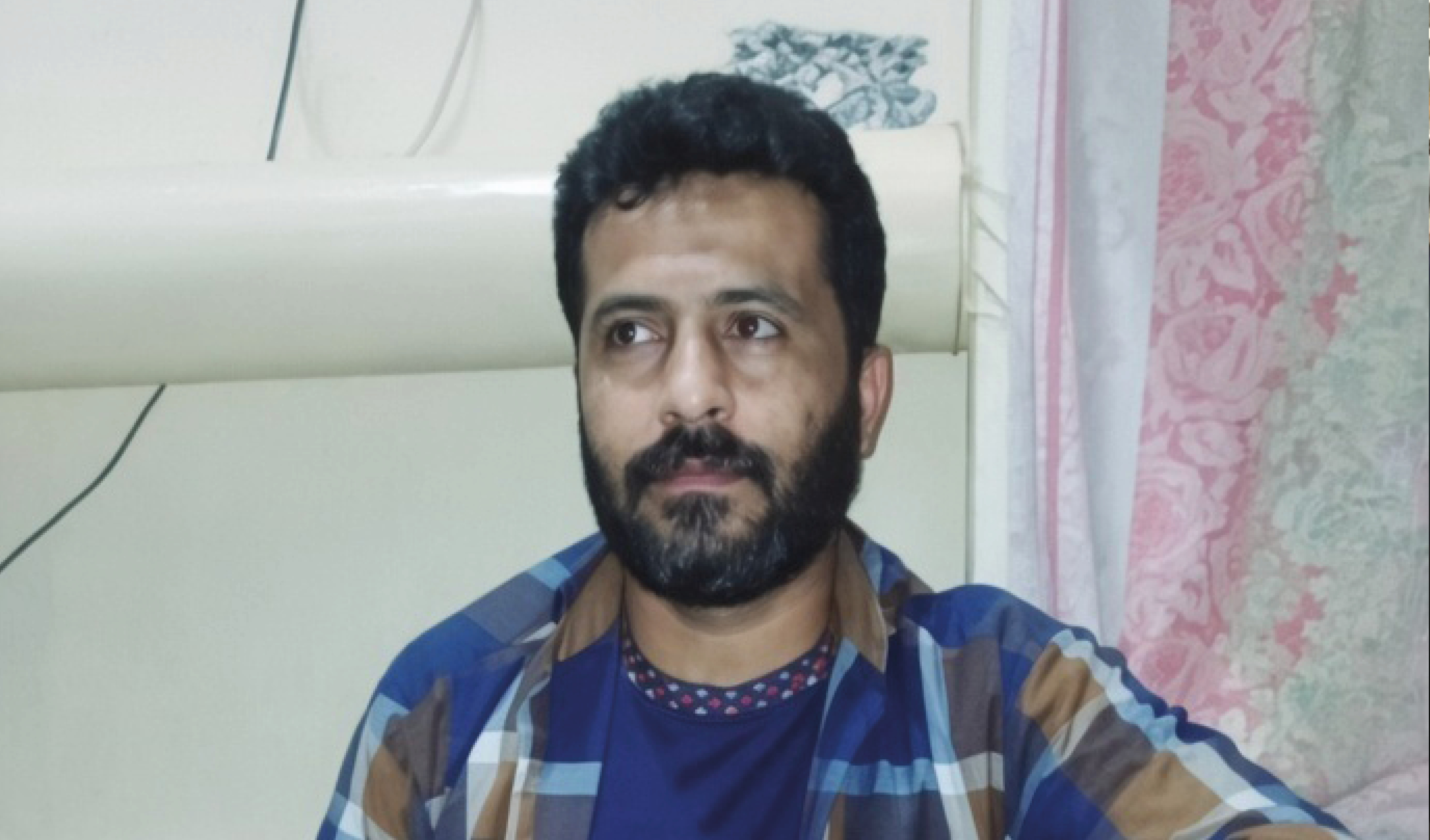
Mohammad Yousef Issazehi (Rigi) was a 40-year-old father of five from the village of Chah Jamal in Iranshahr. He was arrested for alleged drug offences in 2022 and sentenced to death by the Revolutionary Court. Mohammad Yousef was transferred to the gallows twice before ultimately being hanged in Isfahan (Dastgerd) Central Prison on 9 September. His execution was carried out without prior notification, depriving him of the right to a final visit with his family.
Hashem Rakhshani and Amanollah Nazarkhani
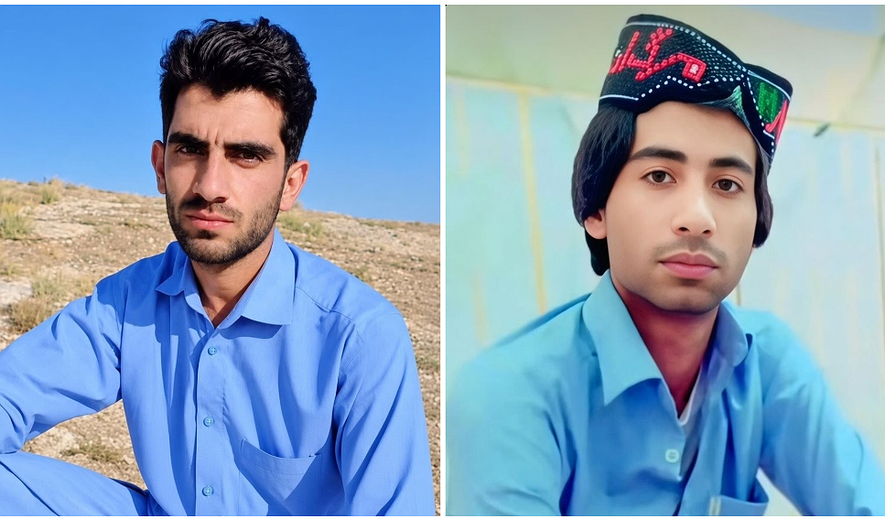
Hashem Rakhshani was a 34-year-old father of two from Zahak and Amanollah Nazarkhani was from the village of Nader in Zahak county. They were arrested in relation to separate cases around four years ago and sentenced to death on drug-related charges by the Revolutionary Court. Hashem and Amanollah were hanged in Zabol Prison on 13 September.
In December 2025, IHRNGO published a report titled “A Village of Graves: Widespread and Systematic Drug Executions in Iran,” which provides an overview of drug laws and documents the systematic violation of due process and fair trial rights in drug cases.