World Day Against the Death Penalty: At Least 617 Executed in Iran; IHRNGO Calls for Immediate Moratorium
Iran Human Rights (IHRNGO); 10 October 2026: At least 617 people have been executed in Iran in 2026, an average of more than two executions per day. This year has also seen a sharp surge in executions for national security offences, including protesters and other political prisoners. Yet, around 87% of all executions were for ordinary crimes, primarily homicide and drug-related offences. Most of their names and faces remain unknown to the wider public, and the majority of their executions receive little or no attention. This report highlights a few of their stories, including those of child offenders, ethnic minorities and women.
On World Day Against the Death Penalty, Iran Human Rights calls on the international community to make an immediate moratorium on executions in Iran a priority in all engagements with the Islamic Republic.
IHRNGO Director Mahmood Amiry-Moghaddam said: “An immediate moratorium on executions in Iran must become an urgent and concrete international objective. Governments engaging with the Islamic Republic must put the suspension of executions at the top of the agenda in every dialogue and negotiation, and work together in a coordinated and sustained way to achieve it.” He added: “The surge in the execution of protesters and political prisoners demands urgent international action. But, the hundreds executed for ordinary criminal offences must not disappear into statistics simply because nobody knows their names. Opposition to the death penalty cannot depend on who the condemned person is or what they have been accused of. Every execution must become unacceptable. A moratorium is the urgent first step towards ending the death penalty in Iran.”
World Day Against the Death Penalty: Stories for Life
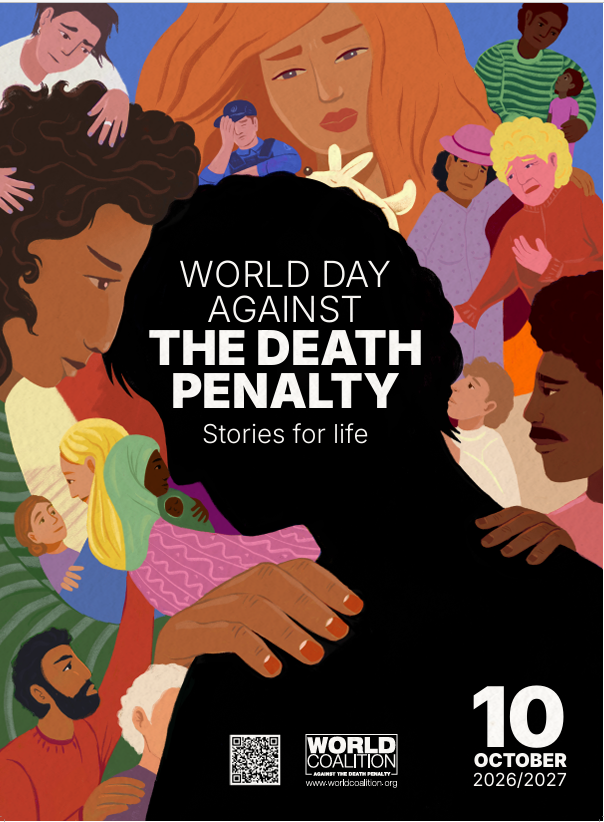
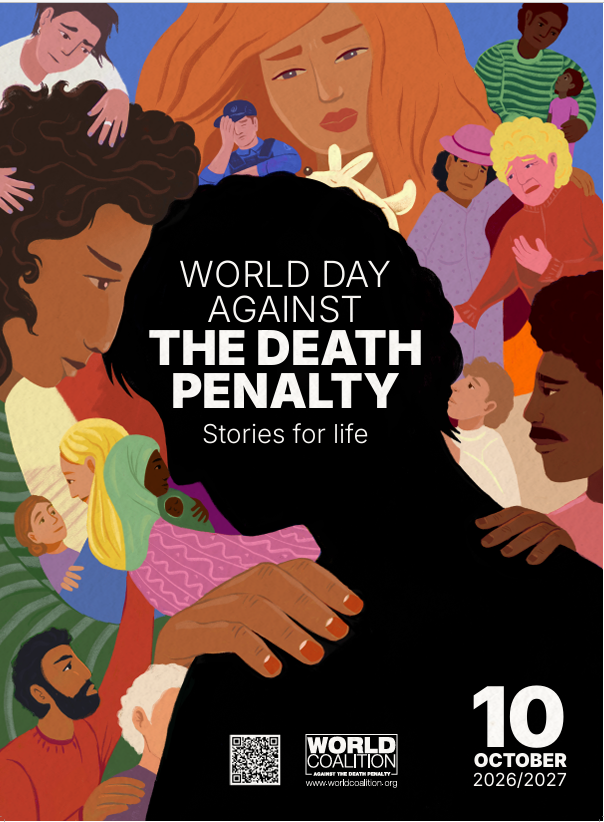
Observed every 10 October, the World Day Against the Death Penalty unifies the global abolitionist movement and mobilises civil society, political leaders, lawyers, public opinion and more to support the call for the universal abolition of the death penalty. On 10 October 2026 and 2027, the World Day is dedicated to humanising the people affected by the death penalty, focusing on the stories of the people affected by the death penalty whose voices are too often neglected or silenced.
Pejman Saedi: Convicted based on qassameh after acquittal and inability to make bail
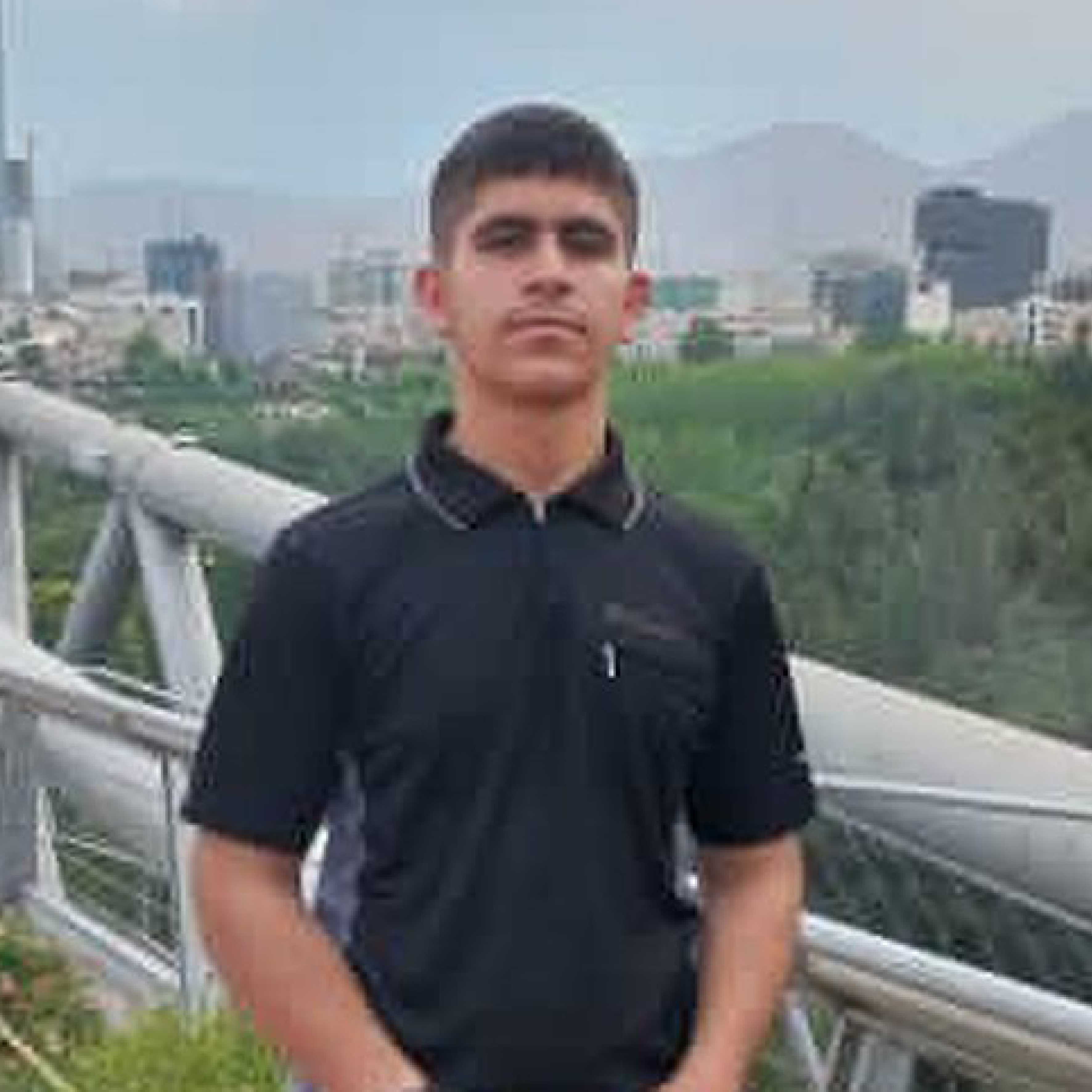
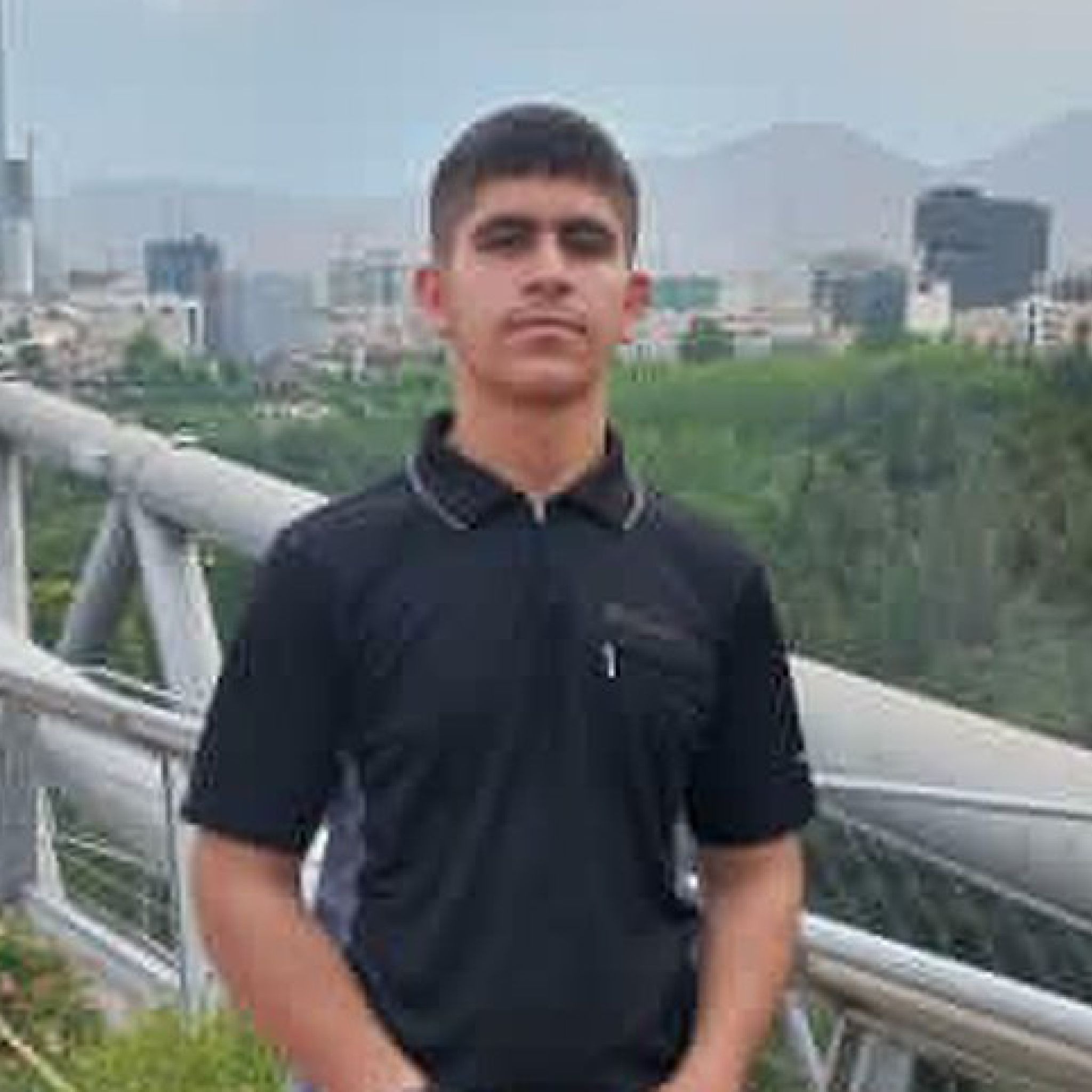 Pejman Saedi, a young Kurdish man from Dehgolan, was 18 when he was arrested for a homicide. At trial, he was acquitted and granted a 200-million-toman bail. However, Pejman was forced to stay behind bars due to his family’s inability to raise the required amount. The plaintiff in the case then decided to alter the course of the case by bringing forward individuals to perform a qassameh ceremony (sworn oath by 50 male members of the victim’s family who are not required to be witnesses). While Pejman maintained his innocence, the court relied on qassameh to sentence him to qisas (retribution-in-kind) for murder. Pejman was just 21 when he was hanged in Qorveh Prison on 12 January 2026.
Afsaneh Zandabadi: Victim of childhood grooming and rape executed for coerced offence
Raised by a single mother, Afsaneh Zandabadi was 15 when her mother remarried and moved the family in with her new husband. Her new stepfather immediately prevented her from continuing her education. Afsaneh later recounted to her cellmates how he had raped and threatened her to remain silent while grooming her for criminal activity. On her 17th birthday, he gifted her a car to be used for transporting drugs. She was ultimately arrested after being caught with 25 kilograms of the drugs in her car. Despite Afsaneh repeatedly asserting the painful details throughout the interrogations and trial, she was sentenced to death by the Revolutionary Court. Although her stepfather was also arrested, he was later released without charge because no narcotics were found on his person at the time of his arrest. Afsaneh was just 22 years old when she was hanged in Tabriz Central Prison on 18 May 2026.
Omid Moradi: Hanged after 21 years for a murder he did not commit
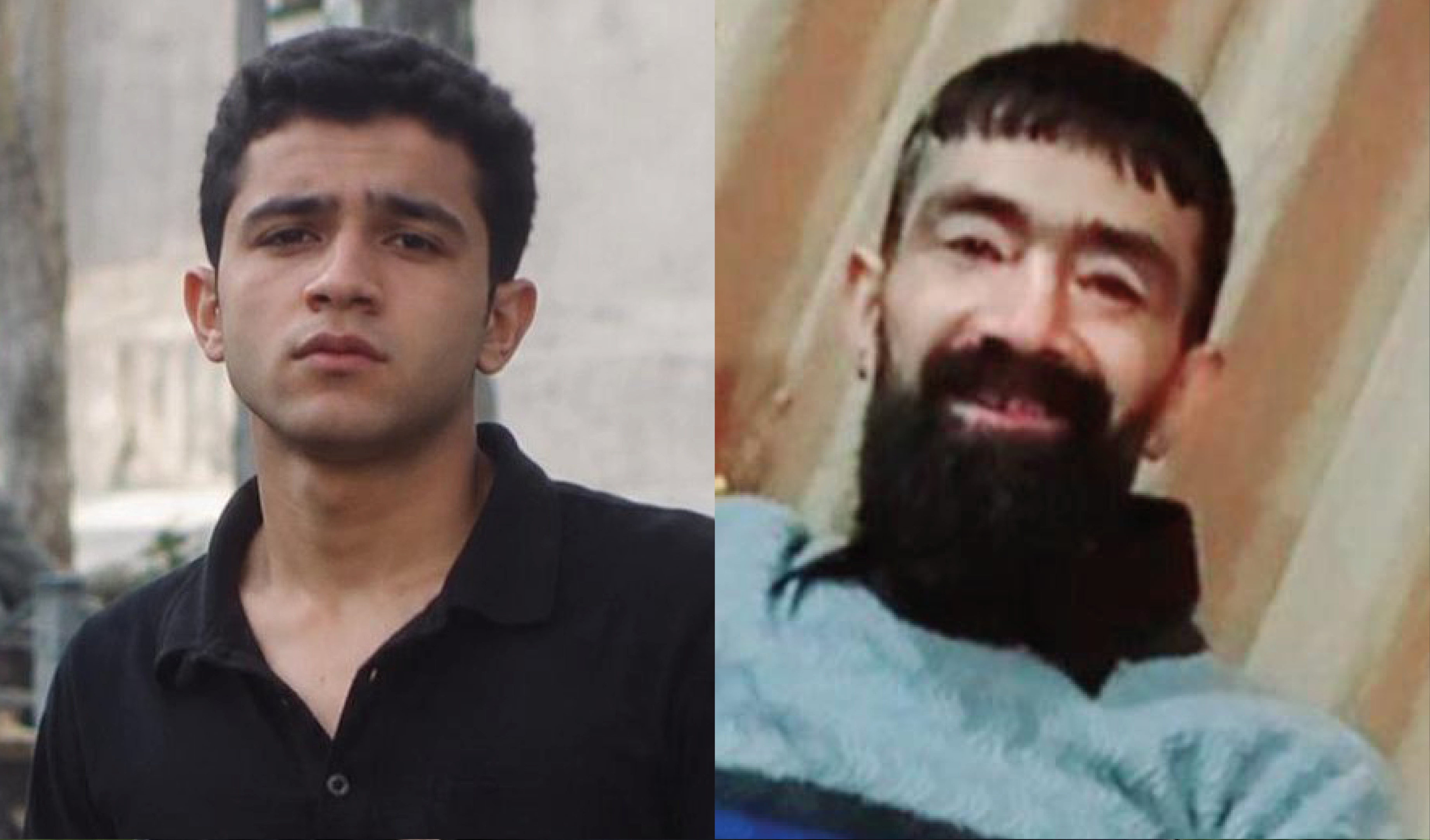
 Omid Moradi was born in Izeh on 28 July 1988. At 16, he was manipulated into taking partial responsibility for a homicide to protect his friend from execution, unaware of the fatal legal consequences. Unable to afford private representation, he was provided with only a court-appointed lawyer and was transferred from a juvenile rehabilitation centre to Ahvaz Sepidar Prison at the age of 19. After the actual perpetrator fled Iran following a brief release, the court sentenced Omid to qisas (retribution-in-kind) based solely on his initial admission, repeatedly dismissing his protestations of innocence. Although severe respiratory issues in custody briefly secured him a one-year medical furlough on bail, Omid was subsequently returned to prison to face execution. Twenty-one years after taking responsibility for the murder he had not committed, Omid was hanged in Ahvaz Sepidar Prison on 24 May 2026.
Balal Saadat-Jahani: Baluch son of executed political prisoner secretly hanged
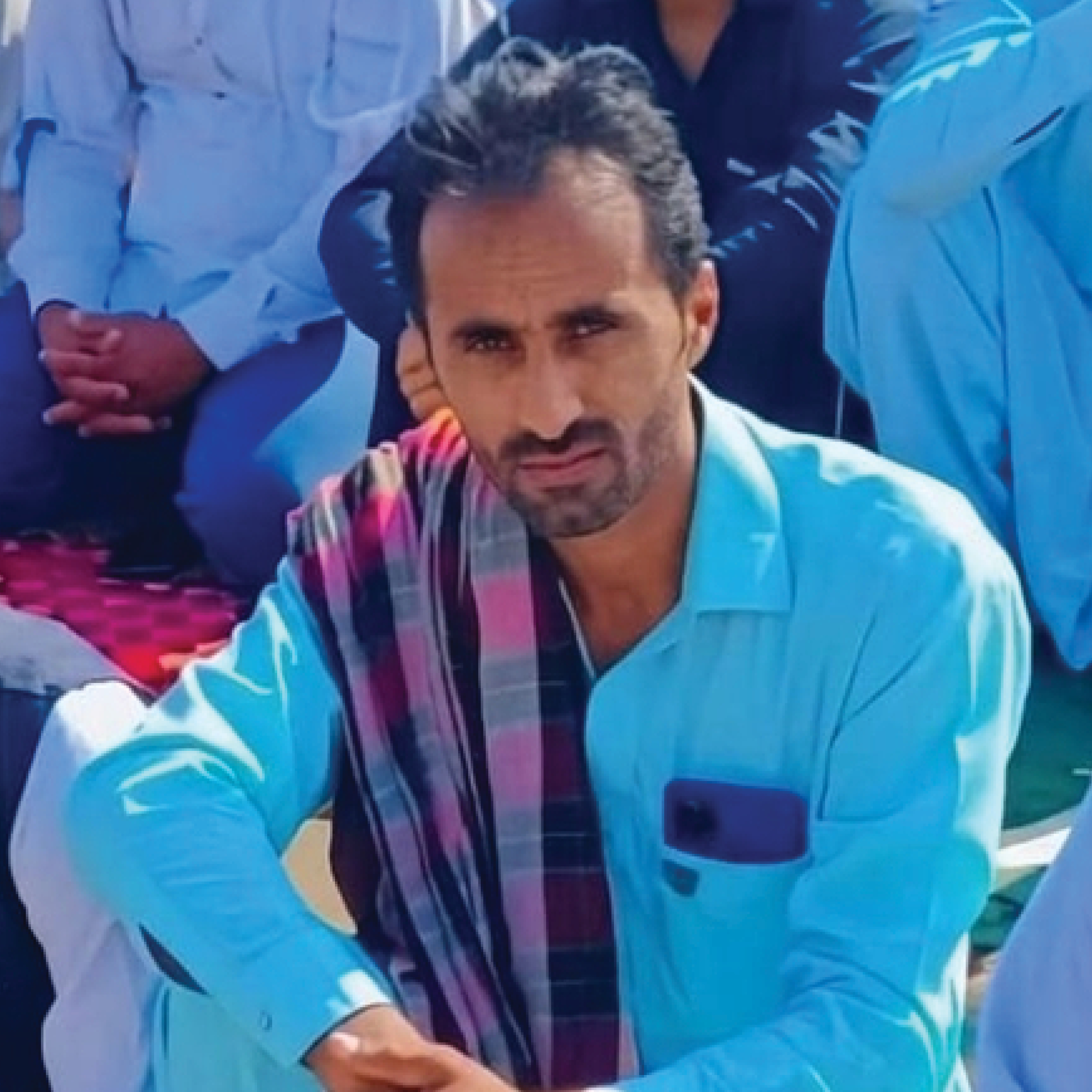
 Balal Saadat-Jahani was a 35-year-old Baluch father of three from the village of Allah Abad in Azad Shahr county. Balal’s own father, political prisoner Kabir Saadat-Jahani, had been executed in Mashhad Central Prison on 31 December 2020. Three years later, Balal was arrested himself. Though the circumstances of the case are unknown, he was sentenced to death on drug-related charges by the Birjand Revolutionary Court. On 15 June 2026, Balal was secretly hanged in Birjand Central Prison without prior notice, depriving him of a last visit to say goodbye to his children and family.
Meisam Irandegani: Baluch child labourer executed for defence of grandfather
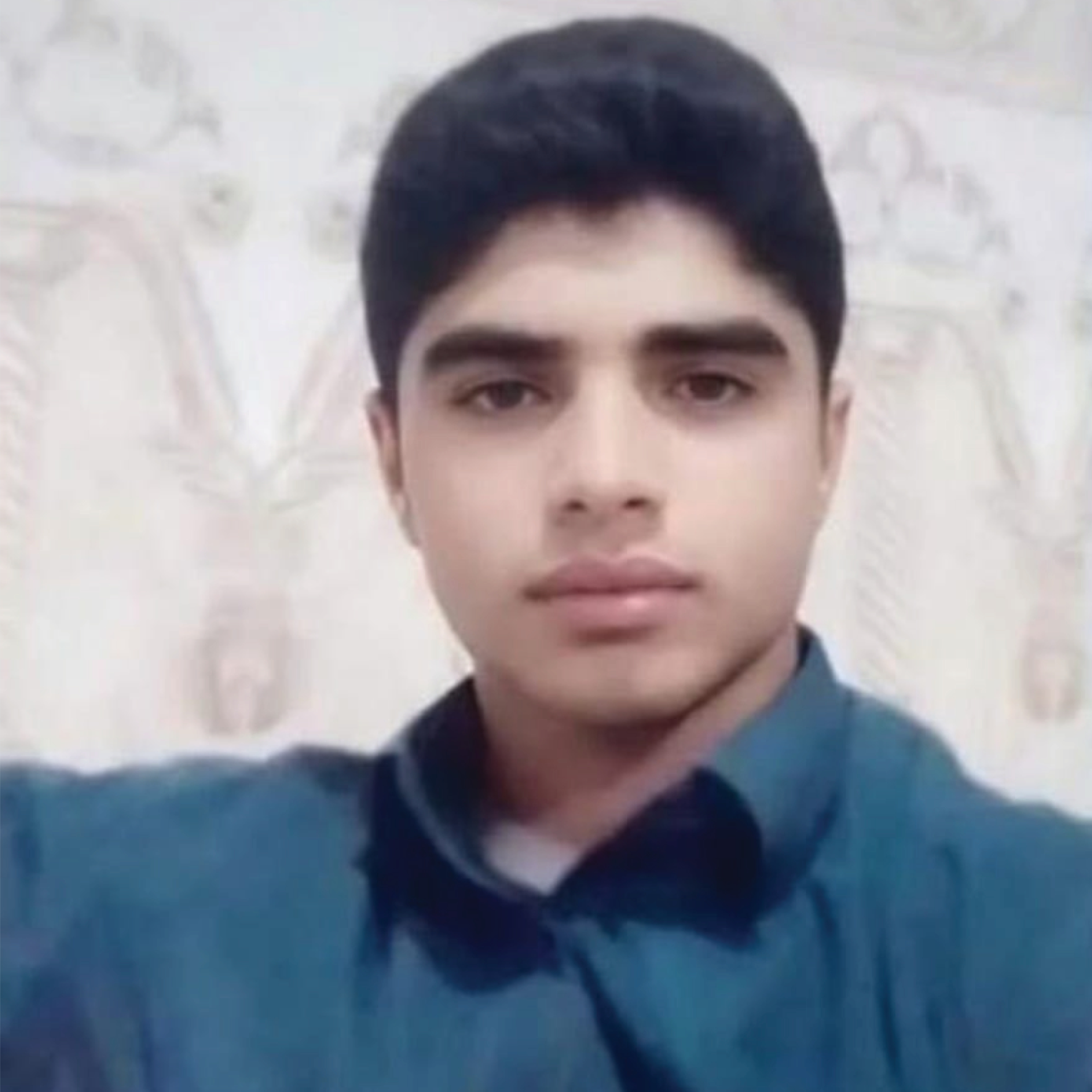
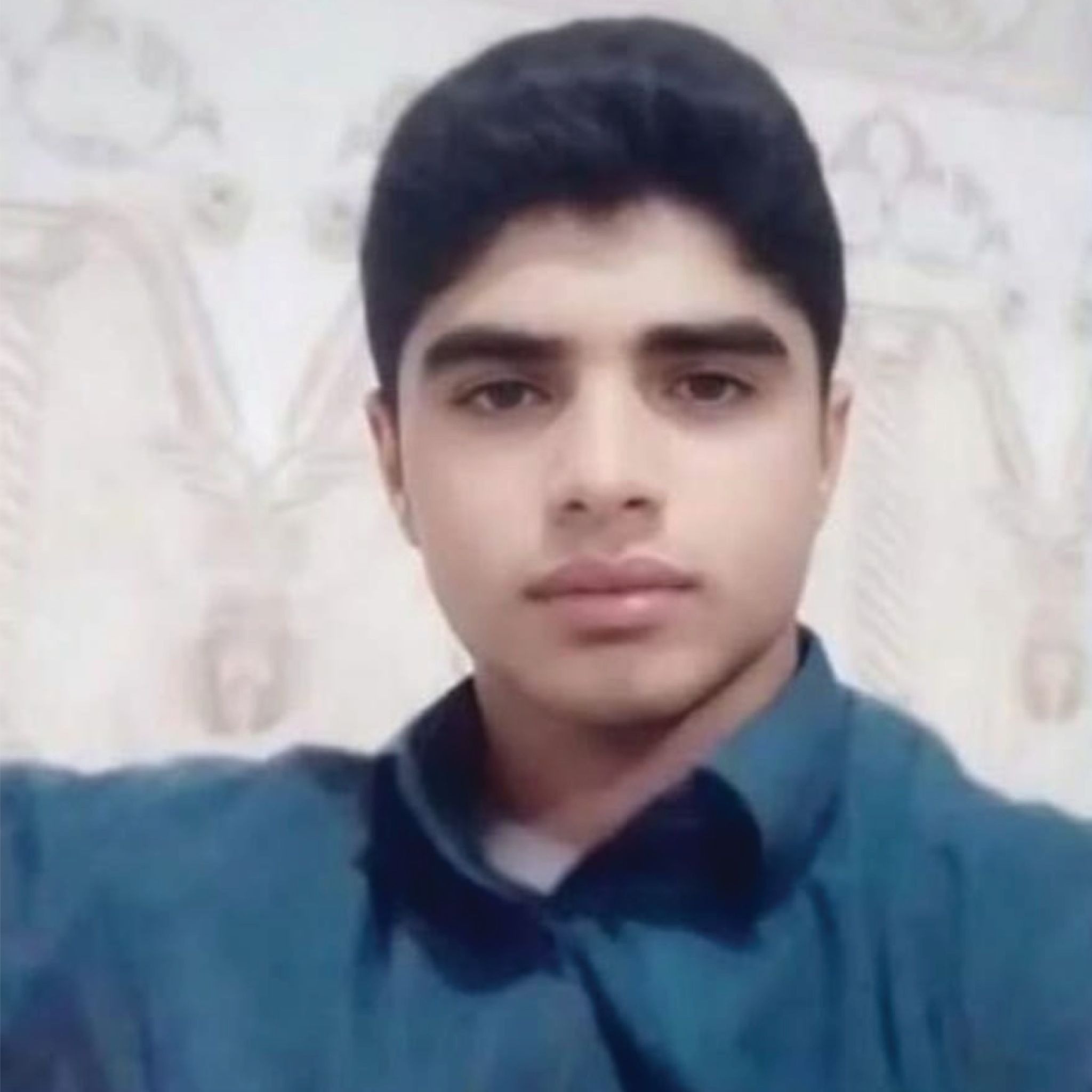 Meisam Irandegani was a Baluch boy from Khash who at 14, worked at a car repair shop to help his family make ends meet. In May 2022, he got into an argument after refusing to dismantle a stolen car. When his grandfather, who worked at the bakery next door, arrived to see what was happening, he was attacked by one of the four men. According to informed sources, Meisam stabbed one of the men in defence of his grandfather, who was being attacked. Meisam turned himself in and was taken to the Zahedan Correction and Rehabilitation Centre. He was later transferred to Iranshahr Prison and after spending around four years behind bars, he was hanged on 21 July 2026.
January-10 October Executions at a Glance:
- At least 617 people were executed
- Only 91 (under 15%) of the recorded executions were announced by official sources. The remaining 526 executions were verified through two independent sources by IHRNGO
- 313 of those executed were sentenced to qisas (retribution-in-kind) for murder
- 214 were on death row for drug-related offences
- 78 people were executed on national security charges. Of those, 32 were protesters, 13 were political prisoners affiliated with banned opposition groups, 16 were accused of espionage and/or collaboration with foreign states, nine were convicted of armed robbery, four were accused of affiliation with ISIS and four cases are unknown.
- 11 men were executed for rape charges
- 2 of those executed were confirmed to have been under the age of 18 at the time of their alleged offences (profiled above)
- The charges against one woman is unknown
- 23 of those executed were women
- At least 54 Baluch, 43 Kurdish and 14 Arab ethnic minority were amongst those executed
- At least 23 Afghan nationals and 2 Iraqi nationals were also executed during this period
- 2 of the executions were carried out publicly
Comparison with Previous Years: Unprecedented Number of Political Prisoner Executions Since 1980s
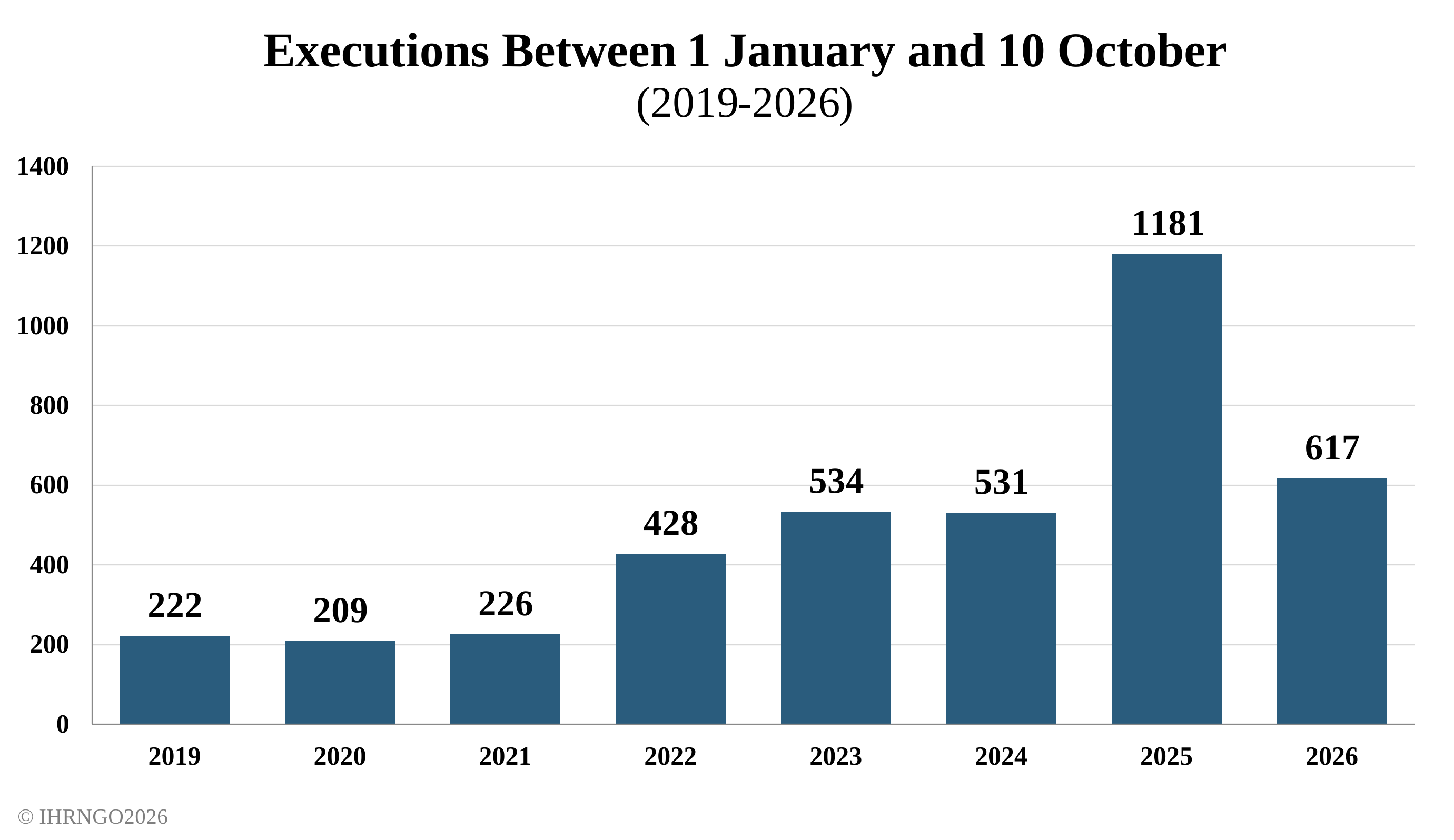
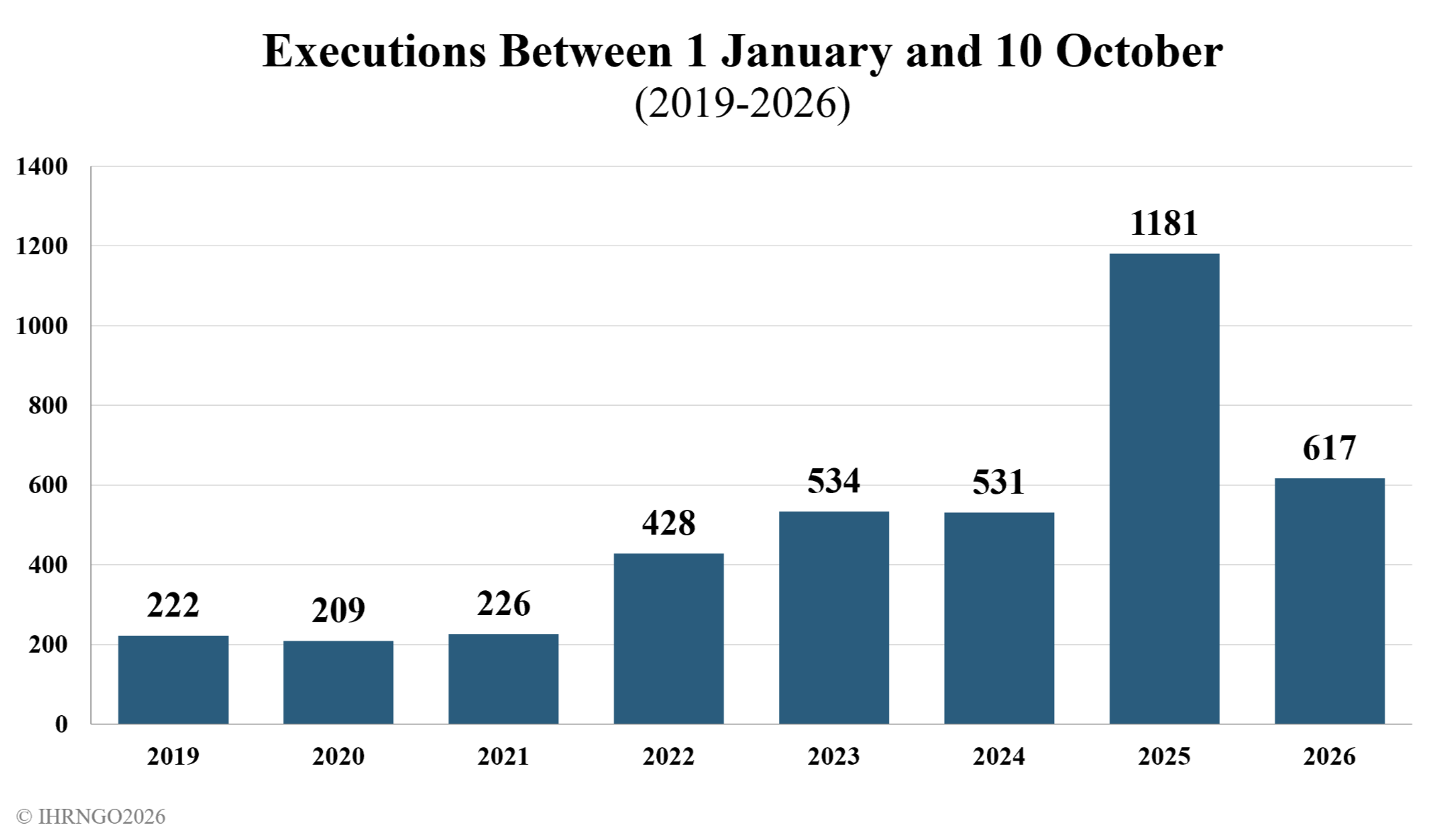
Although the 617 executions recorded between 1 January and 10 October 2026 is lower than the 1,181 executions recorded during the same period in 2025, executions continue at a high rate of more than two people every day. The 2025 figure was the highest annual number of executions recorded in Iran in more than three decades. During the equivalent periods in 2024, 2023 and 2022, Iran Human Rights recorded 531, 534 and 428 executions, respectively.
At the same time, 2026 has seen a particularly alarming increase in the use of the death penalty for politically motivated charges. In numbers unprecedented since the 1980s, at least 36 people were executed in connection with protests (34 in connection with the January protests and two in connection with the “Woman, Life, Freedom” protests), 13 political prisoners with affiliation to banned opposition groups and 16 for espionage and/or collaboration with foreign states.
Iran’s Abolitionist Movement Behind Bars
The “No Death Penalty Tuesdays” campaign which was started by ordinary crime offenders on death row and political prisoners in Ghezelhesar Prison in January 2024, has spread to 66 prisons across Iran. Despite crackdowns and punitive measures, the prisoners have staged mass hunger strikes for the abolition of the death penalty every Tuesday for the past 141 weeks.
At the same time, Ghezelhesar Prison has also witnessed another strike. In October 2025, more than 1,500 prisoners on death row for drug offences in Unit 2 embarked on a six-day mass strike, sewing their lips shut in protest against executions. This resistance culminated in July 2026, when they staged a 17-day strike after six fellow prisoners were transferred to pre-execution solitary confinement cells. In video messages obtained from inside the ward, the men identified themselves as victims of poverty and unemployment who had been abandoned by the criminal justice system, appealing to the international community and Iranian public to advocate for sentence commutations. Even as state security forces violently suppressed protesting families outside the prison gates, the 17-day strike successfully forced prison and judicial authorities to agree to a temporary halt on drug-related executions at the prison.
Just two weeks later, authorities dispersed the strikers to break up the anti-death penalty network and prevent collective action in the future.
A new case has also been opened against Saeed Masouri, one of the founders of the “No Death Penalty Tuesdays,” for his support of the Unit 2 strike. According to his lawyer, he was tried by Branch 2 of the Karaj Revolutionary Court in October.
Zartosh Ahmadi-Ragheb, another one of the ten founders of “No Death Penalty Tuesdays,” and Massoud Farhikhteh, a teacher and member of the campaign, are also currently on a hunger strike against executions in Karaj Penitentiary. Instead of being transferred to the infirmary, they were transferred to solitary confinement as a punitive measure.