Twin Brothers Hassan and Hossein Amiri Sentenced to Death for Photo of Bombed Site
Iran Human Rights (IHRNGO); 4 June 2026: Hassan and Hossein Amiri, twin brothers and co-defendants, have been sentenced to death under newly enacted espionage legislation. During the 40-day war, Hassan was stopped at a checkpoint and found in possession of a photograph of a bombed site. He was subsequently tortured to extract a statement that Hossein's laptop contained further footage, leading to Hossein's arrest despite the fact that neither brother actually owns a laptop.
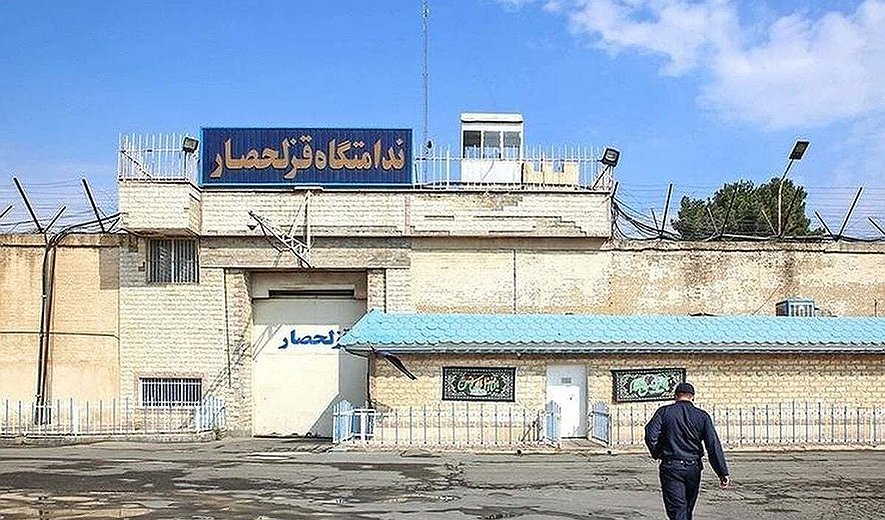
According to information obtained by Iran Human Rights, 20-year-old twin brothers Hassan and Hossein Amiri have been sentenced to death by Branch 26 of the Tehran Revolutionary Court on charges of collaboration with Israel. They were tried on 5 May and the sentence was issued by Judge Iman Afshari a few days later. The brothers are held in Ghezelhesar Prison, Karaj.
Hassan was arrested at a checkpoint on 19 March after a photo of a bombed site was found on his phone. An informed source told IHRNGO: “Hassan was tortured to extract false confessions and to say that his twin brother Hossein had more footage on his laptop despite the fact that neither brother actually owns a laptop.”
Consequently, Hossein who was working as a car mechanic in Karaj, was arrested on 23 March. Six days later, both brothers were taken for interrogations in Ghezelhesar Prison.
An informed source told IHRNGO: “Hassan and Hossein were brought up in a care home until the age of 18. They’ve had very difficult lives and have no family to follow up on their case.”
On 24 May, Mojtaba Kian became the first person arrested during the 40-day war to have been executed. His hasty execution was carried out in accordance with a directive issued on 29 March by Iran's Head of the Judiciary, Gholamhossein Mohseni-Ejei, who ordered the immediate trial and fast-tracking of all cases involving alleged collaboration with the United States and Israel under wartime conditions. Ejei explicitly stated that maximum statutory penalties, including execution and the complete confiscation of assets, would be applied “without leniency to dismantle foreign espionage chains.” This mandate triggered a broader judicial crackdown targeting individuals accused of possessing or sharing information, photographs or footage of “sensitive sites” with foreign media networks.
More from @ihrights
IHRNGO is building a strong civil society, through empowerment of the citizens, promoting and defending the human rights.
Latest Cartoon
Latest Report