Execution of Afsaneh Zandabadi, a Victim of Childhood Grooming, Rape and Abuse in Tabriz
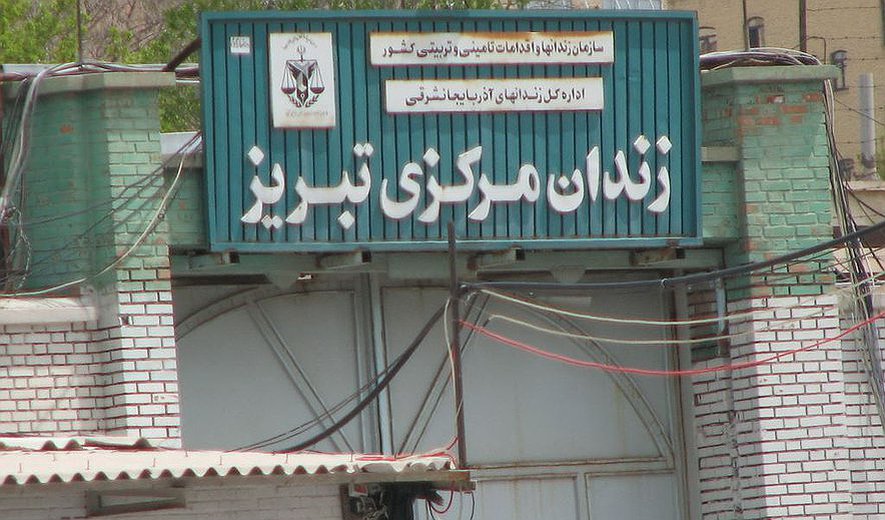
Iran Human Rights (IHRNGO); 5 June 2026: Afsaneh Zandabadi, a 22-year-old woman on death row for drug-related offences, was executed in Tabriz Central Prison. Despite her testifying throughout the proceedings that she had been raped, threatened, abused and groomed from childhood by her stepfather to carry the drugs, he faced no legal consequences.
According to information obtained by Iran Human Rights, a woman was hanged in Tabriz Central Prison on 18 May 2026. Her identity has been established as 22-year-old Afsaneh Zandabadi who was a victim of rape, grooming and abuse at the hands of her stepfather.
Afsaneh was arrested around three years ago when she was 19 years of age and sentenced to death on drug-related charges by the Revolutionary Court.
An informed source told IHRNGO: "Afsaneh had lost her father many years ago. When she was 15, her mother married a man named Asadollah Khanbeigi, a tyre merchant, and Afsaneh was forced to move into his home. Her stepfather immediately prevented her from continuing her education. At the age of 17, he bought a Peugeot 206 for Afsaneh's birthday, but this marked the beginning of a sinister plot to traffic drugs. The stepfather used her car to stockpile narcotics and, with promises of wealth and buying a villa, deceived Afsaneh and coerced her to sell drugs. This situation persisted for two years until the police ultimately discovered 25 kilograms of narcotics in Afsaneh's car and arrested her."
The source added: "Throughout all stages of interrogation and even during the court session, Afsaneh explicitly stated that her stepfather had raped her several times and forced her into silence and cooperation through threats, to the extent that she could not even tell her mother out of fear. She had also recounted these painful details to her cellmates in prison. Her stepfather was also arrested, but because no drugs were found on his person at the time of his arrest, he was released, and the entire legal burden of this case fell upon this young woman, ultimately culminating in her execution.”
At the time of writing, her execution has not been reported by domestic media or officials in Iran.
Iranian courts systematically disregard critical mitigating factors, routinely issuing capital sentences while completely ignoring how gender-based violence and coercive control trap vulnerable women in pathways of forced criminality. In January 2025, IHRNGO published a report titled “Women and the Death Penalty in Iran; a Gendered Perspective,” which sheds light on the contemporary experiences of women facing the death penalty, focusing on the discriminatory laws and factors that perpetuate their suffering.
Iran executes the highest recorded number of women globally. Afsaneh Zandabadi is the seventh woman execution recorded in 2026, and the third hanged for drug offences. In 2025, at least 48 women were executed, the highest number of women executions recorded in Iran in more than two decades.
More from @ihrights
IHRNGO is building a strong civil society, through empowerment of the citizens, promoting and defending the human rights.
Latest Cartoon
Latest Report