Abdolreza Heidari and Mehdi Latifi Hanged in Tabriz
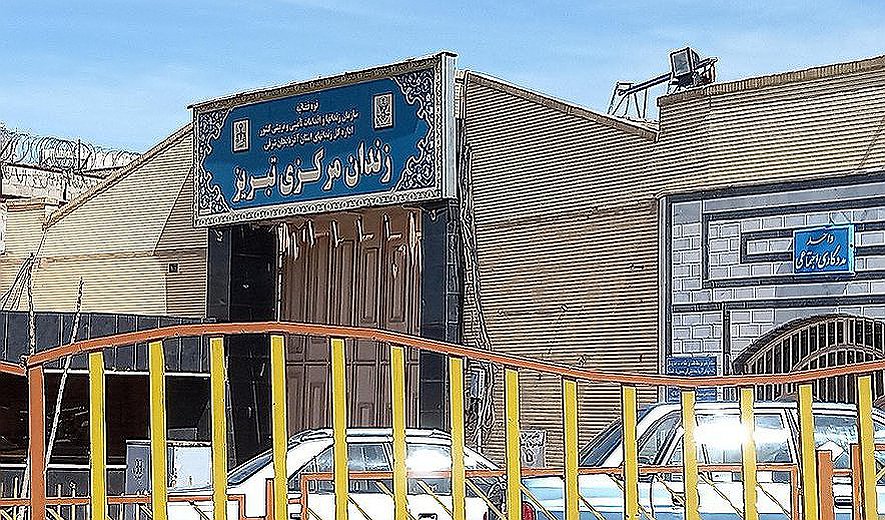
Iran Human Rights (IHRNGO); 13 July 2026: Abdolreza Heidari and Mehdi Latifi were executed in Tabriz Central Prison. Abdolreza had resorted to selling drugs to raise money for the cost of his wife’s kidney treatment and save her life.
According to information obtained by Iran Human Rights, two men were hanged in Tabriz Central Prison on 13 July 2026. Their identities have been established as Abdolreza Heidari, a 59-year-old father of two from Bandar Abbas and Mehdi Latifi, a 27-year-old construction worker from Tabriz.
Mehdi was arrested five years ago and sentenced to qisas (retribution-in-kind) for murder by the Criminal Court.
Speaking to IHRNGO about Abdolreza’s case, an informed source said: “Before his arrest, Abdolreza earned a living as a taxi driver. However, when his wife suffered from kidney failure eight years ago, Abdolreza was forced to sell all his assets, including his house, land and car, to buy her a kidney for a transplant [a legal practice in Iran]. However, her new kidney eventually failed due to severe complications, and doctors declared that she needed another transplant.”
The source added: "Having spent everything he owned, Abdolreza turned to transporting drugs out of sheer desperation to cover his wife’s staggering medical bills. Two years ago, he was arrested three kilometres outside the city of Tabriz with 14 kilograms of drugs stashed in his brother-in-law’s car, and was subsequently sentenced to death. The seized vehicle was also permanently confiscated. In the end, Abdolreza was unable to raise the funds for the treatment, and a family member stepped in to donate their own kidney to her."
At the time of writing, their executions have not been reported by domestic media or officials in Iran.
Drug-related executions have continuously risen every year since 2021. According to IHRNGO’s 2025 Annual Report on the Death Penalty, at least 795 people were executed for drug-related charges, of which only 0.18% were announced by official sources. 13% of all drug-related executions in 2025 were Baluch minorities while they represent 2-6% of Iran’s population.
In December 2025, IHRNGO published a report titled “A Village of Graves: Widespread and Systematic Drug Executions in Iran,” which provides an overview of drug laws and documents the systematic violation of due process and fair trial rights in drug cases.
More from @ihrights
IHRNGO is building a strong civil society, through empowerment of the citizens, promoting and defending the human rights.
Latest Cartoon
Latest Report