Parvin Chardoli’s Execution Brings Number of Women Executed in Iran Since 2010 to 300, Highest Global Figure
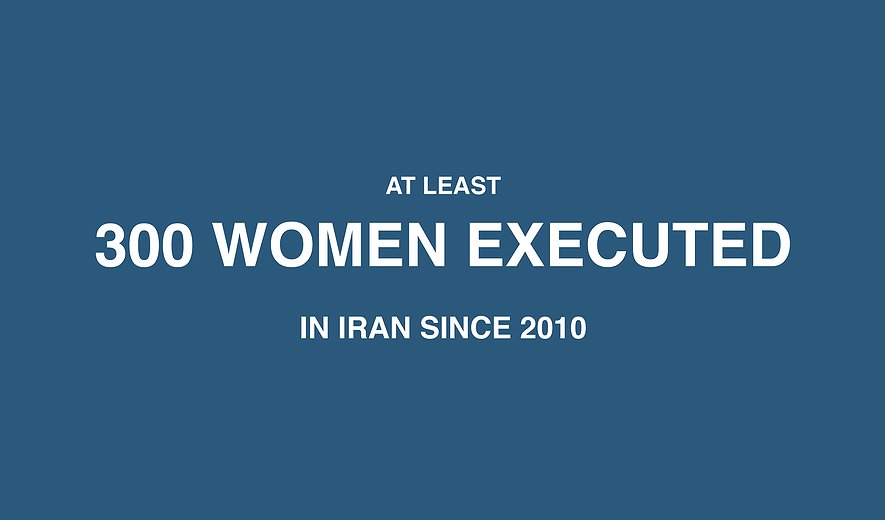
Iran Human Rights (IHRNGO); 17 July 2026: Following the 15 July execution of Parvin Chardoli at Ghezelhesar Prison, the number of women executed in Iran since 2010 has reached at least 300. The Islamic Republic of Iran carries out the highest recorded execution of women worldwide while enforcing a system of gender apartheid. In 2025, IHRNGO recorded 48 executions, the highest number since the execution of women began being systematically recorded more than twenty years ago. In 2026, at least eleven women have been executed.
IHRNGO reported that Parvin Chardoli had been executed in Ghezelhesar Prison on 15 July 2026. State media reported that Parvin was arrested for the murder of her stepson on 25 December 2019. However, according to informed IHRNGO sources: “The court knew she hadn’t committed the murder but as she refused to name the perpetrator, she was the one that ended up on death row.”
Parvin is the 300th woman whose execution has been documented by IHRNGO since 2010. Of the 300 recorded executions, 153 women were sentenced to qisas (retribution-in-kind), 126 were convicted of drug-related offences, four were sentenced to death on security-related charges and the charges against 17 of the women remain unknown.
In January 2025, IHRNGO published its report, "Women and the Death Penalty in Iran: A Gendered Perspective", exposing the intersection of severe legal discrimination and oppressive societal factors that traps women within a punitive, patriarchal criminal justice system. These systemic issues leave women uniquely vulnerable, transforming marginalisation into state-sanctioned judicial condemnation.
A primary focus of this gender perspective is the application of qisas (retribution-in-kind) for murder, the most common charge leading to the execution of women. The vast majority are convicted of killing their husbands or partners, often as a desperate last resort after enduring years of domestic violence, coercive control, child marriage or sexual violence. Because Iranian law denies women unilateral divorce rights and fails to criminalise domestic violence, they are left with no legal escape routes. Despite this, the judiciary consistently refuses to accept histories of abuse or self-defence as mitigating factors.
The gendered impact of the death penalty is also visible in drug-related cases, where legal and social factors heavily compound female vulnerability. Many executed women are highly marginalised, impoverished breadwinners coerced, manipulated or forced into carrying drugs by male family members or partners. Once arrested, their plight is worsened by a legal system that denies them independent legal representation, relies on confessions extracted under duress and torture and completely ignores their lack of agency.
The report’s final section exposes the severe lack of transparency and the biased nature of state reporting surrounding female executions. IHRNGO findings reveal that the authorities systematically conceal these executions, officially announcing only a small fraction of cases. When the state does report an execution, it heavily manipulates the narrative to justify the hanging. Women are dehumanised by focusing on sensationalised details of the crime while actively concealing the domestic violence, forced marriage or coercion that preceded it.
To halt these grave human rights violations, IHRNGO has called for comprehensive, gender-sensitive reforms, including an immediate moratorium on all executions, the criminalisation of domestic abuse and the abolition of all discriminatory laws, including in marriage and divorce.
More from @ihrights
IHRNGO is building a strong civil society, through empowerment of the citizens, promoting and defending the human rights.
Latest Cartoon
Latest Report